
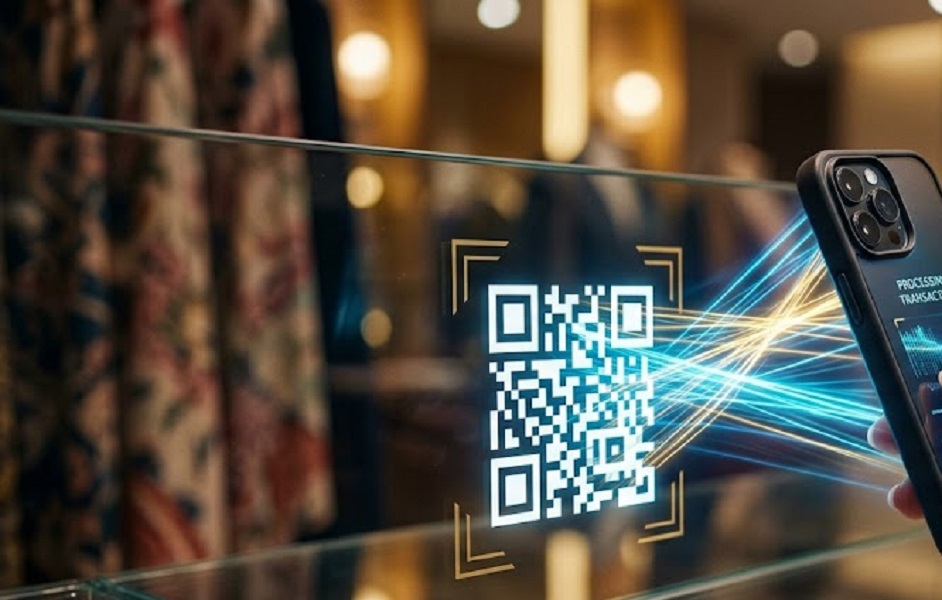
From bustling local cafes to tiny roadside boutiques, monochromatic square blocks known as QR (Quick Response) codes are absolutely everywhere. Scanning a code with a smartphone camera has quickly become the absolute fastest blueprint for completing daily financial transactions. Despite its mass simplicity, a strange sense of cyber-anxiety has bred several urban legends around its safety. Let’s separate structural reality from fiction by debunking three common QR code payment myths.
Myth 1: Simply Pointing Your Camera at a QR Code Will Deduct Cash Automatically
A highly pervasive fear is that accidental scanning or simply letting your camera lens drift over a display pattern will instantly vacuum funds straight out of your checking account. This is functionally impossible. A QR code is essentially just a visual link. Scanning it merely pre-fills payment data on your screen. No funds can move until you manually verify the cash amount, pass biometric security, and click the confirmation prompt.
Myth 2: Scanning Public QR Codes Will Instantly Infect Your Device With Viruses
With high-profile warnings about digital security in the media, some shoppers treat scanning a counter placard as an open invitation for malware setup. While malicious web links exist on shady internet pop-ups, standard business QR codes configured through authenticated banking applications are bound inside protected payment loops. The code itself cannot execute background terminal downloads on modern operating systems.
Myth 3: QR Code Microtransactions Leave No Auditable Bank Trail
Some old-school cash users avoid scanning codes because they worry the transactions exist in a digital gray area where funds vanish into an unresolvable vacuum if a dispute arises. In truth, a QR transaction is identical to a standard bank wire transfer. The code simply automates typing out long, annoying account digits. Every single cent moved via scanning leaves an immediate, legally binding electronic paper trail inside your official banking statements.
Conclusion
QR code payments do not possess mystical, unmanageable hacking vulnerabilities; they are simply smart shortcuts for data entry. By operating under your explicit mobile verification barriers, they keep local commerce swift without compromising financial safety protocols.